
Interstitial fluid and lymphatic drainage of the lactating breast
The lactating breast is ... tidal?
Normal breast tissue (including stroma) shows cyclical changes across the menstrual cycle — e.g. stromal oedema and inflammatory infiltrates are more prominent in the luteal phase, with changes in lobule size and parenchymal volume. So it is possible to describe our pre-pregnant breast stroma as responsive to “hormonal tides”.
In the lactating breast, the blood system supplies substrates for milk and immune system support, while the lymphatic system clears fluid and macromolecules and coordinates immune surveillance - two flows washing through or operating in tandem or homeostatically, within the complex biological systems which support milk production.
Mammary arterial blood flow is highly variable between women
The volumes of mammary arterial blood flow are highly variable between women, but consistent between any woman's breasts (unless her breast is synthesising almost no milk and she is breastfeeding from one side only.)
-
Animal studies have shown no relationship between arterial blood flow into the breast and milk production. There is also no clear association between mammary blood flow and human milk yield.
-
Blood flow increases at first milk ejection and then decreases throughout a feed.
Oxygen, proteins, and other nutrients required by any living tissue, and the glucose and amino acids required by lactocytes, are carried from the arteries supplying the lactating breast into arterioles, then into the tiny arterial capillaries of the breast tissue. These capillaries lace through the mammary connective tissue, which is intertwined with the fatty and glandular tissues of the breast. Arterial capillaries hug close to the basement membranes of the lactocytes.
The oxygen, proteins, and nutrients then diffuse from the arterial capillaries into the lactocytes. Carbon dioxide, unused proteins, and other waste products diffuse back from the lactocytes and surrounding tissues into the venules, which carry them towards to the veins. The veins follow alongside the arteries and arterioles. Some of the veins lie on the anterior surface of the superficial breast fascia.
Ninety percent of the fluid which flows into arterioles and then the arterial capillaries flows back through the venules into the veins.
In the lactating breast, capillary filtration continuously generates interstitial fluid
Ten percent of the fluid which has passed out of the arterial capillaries stays to refresh the interstitial fluid.
Mammary epithelial tight junctions form the blood–milk barrier, which restricts paracellular passage between blood and milk during established lactation. When lactocyte junctions open - prior to secretory activation, or during inflammation, for example - small ions and serum proteins can pass bidirectionally, raising interstitial osmotic load. The collecting lymphatics in the interlobular stroma remove this excess fluid, which carries macromolecules and immune mediators, and delivers the latter to regional nodes.
In the breast, drainage proceeds predominantly to axillary nodes via superficial collectors (including the subareolar plexus), with additional routes alongside internal mammary vessels. Lymphatic collectors rarely anastomose across systems, highlighting structured but parallel pathways. Together, perfusion and lymphatic drainage maintain low interstitial pressure and prevent a build up of interstitial fluid.
One-way valves direct the flow of lymph towards the lymph nodes, where it is filtered in preparation for return into the blood stream.
-
Seventy-five percent of mammary lymph drainage is superficial or cutaneous, draining into the axillary nodes
-
The other 25% is in the deep tissue, particularly of the medial breast, draining into the internal mammary nodes.
Research in other parts of the human body show that lymphatic vasculature downregulates local inflammation through multiple pathways, including through removal of inflammatory products and lymphangiogenesis. Lymph gathers up lymphocytes and proteins as it flows through lymph nodes, where it deposits the bacteria for destruction.
The mechanics of lymphatic flow
1. Lymph flows into the initial lymph capillaries by passive diffusion from higher to lower pressures, through loose tight junctions (known as buttons)
Lymphatic capillaries are low pressure vessels which run parallel to blood vessels, both superficial to the breast fascia, and in the breast stroma.
Blunt-ended lymphatic capillaries (known as the initial lymphatics) are composed of a single layer of specialised lymphatic endothelial cells with sparsely intermittent valves. Lymphatic capillaries are
-
Anchored by filaments to the stroma
-
Sensitive to pressure dynamics.
Their sparse basement membrane and discontinuous intercellular junctions (known as buttons) allow passive intake of interstitial fluid and macromolecules into the vessel, to form intra-vascular lymph.
In addition to diffusion of fluid from the higher pressure of the breast stroma into the lymphatic capillary, entities too large to cross back through the tight junctions of venous capillaries pass through the large button junctions, including cell debris, protein complexes, lipids, macromolecules, immune cells, and bacteria.
2. Lymphatic endothelial tight junctions unbutton and open up when interstitial fluid pressure rises
Lymph moves under pressure gradients from the lymphatic capillaries into lymphatic collection vessels, which have a basement membrane, valves, and smooth muscle cells.
-
Lymphatic collection vessels are intrinsically contractile, and pump lymph towards the lymph nodes.
-
Extrinsic pumping by pressure changes in surrounding tissues also contributes. Although pectoral muscle movement and the movement of breathing are likely to play a minor role, the NDC mechanobiological model of breast inflammation hypothesises that there are two dominant sources of breast tissue and stromal movement which support extrinsic pumping of lymph:
-
The vibratory effects of gravity acting on the breast, and
-
The dynamic and variable pressure gradients formed across stromal tissue by repetitive, irregular, and widespread alveolar contractions and lactiferous duct dilations.
-
In response to increased interstitial fluid load and inflammatory mediators, lymphatic vessels adapt their pumping activity to increase transport, regulating the inflammatory state of the tissue they drain. Lymphatics shuttle cells and antigens from the gland to nodes, shaping regional responses and returning lymph to the venous circulation.
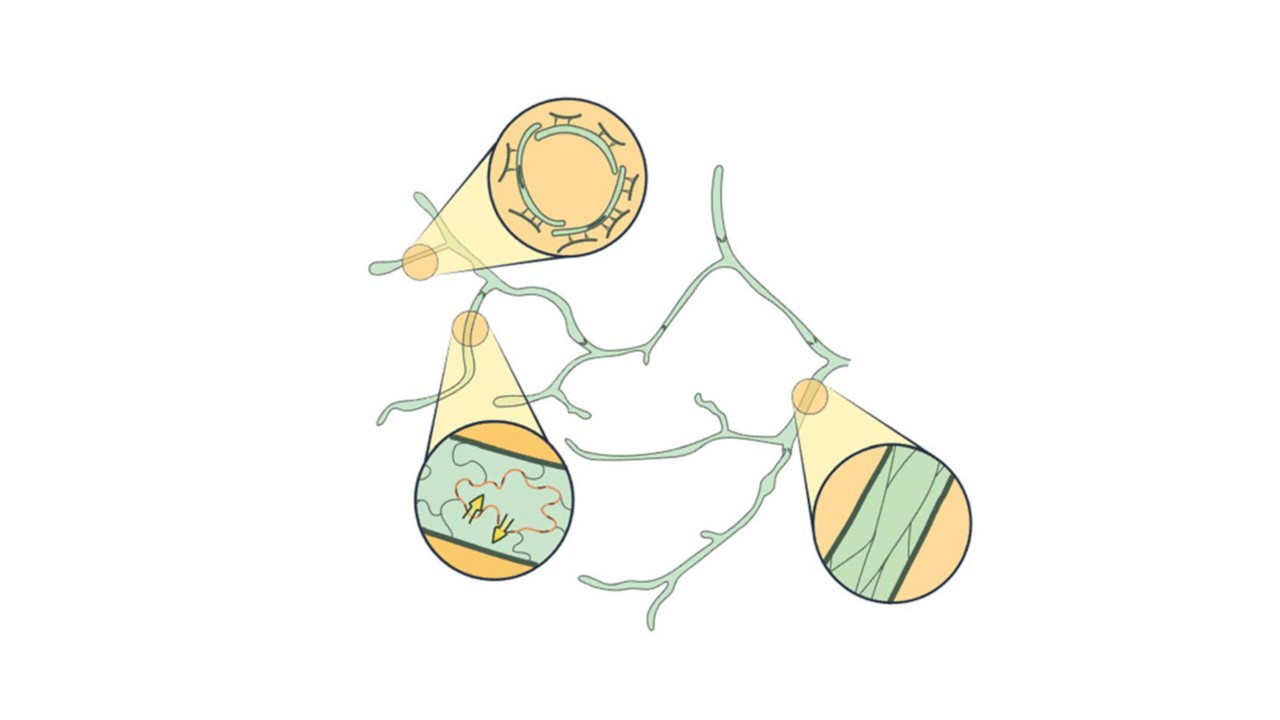
The image above from Moore & Bertram Figure 3 page 26. The authors description of this figure states: "A small network of initial lymphatics. Top inset shows endothelial-cell (EC) primary valves, consisting of unbonded overlaps between ECs, and anchoring filaments to surrounding fibrous tissue. Lower left inset shows characteristic oak-leaf EC configuration, with discontinuous button junctions. Little is known about where, i.e. how far along the network, such cells give way to ECs with continuous zipper junctions (inset at bottom right). Although not divided into lymphangions, initial lymphatics can also have sparse secondary (intravascular) valves."
The increased amount of interstitial fluid which accompanies breast inflammation is not lymphoedema
Increased interstitial fluid in the breast does not comprise a lymphoedema, as proposed in the Academy of Breastfeeding Medicine's Clinical Protocol #36 'The Mastitis Spectrum'. This is an example of inappropriate pathologisation.
ABM Clinical Protocol #36 confuses the temporary increase in breast stromal interstitial fluid associated with inflammation, with the medical condition of lymphoedema. The diagnosis of lymphoedema is only relevant to the lactating breast in the exceptional case of a genuine primary or secondary lymphoedema co-morbidity.
Secondary or acquired lymphoedema is a chronic and progressive disease. It occurs subsequent to destruction of normal lymphatic vasculature by systemic disease, trauma, or surgery. Secondary lymphoedema often results in fibrosis. Although the most common cause of secondary or acquired lymphoedema world-wide is filariasis, in advanced economies the most common cause is surgical excision or irradiation of lymph nodes due to breast cancer treatment, predominantly affecting the upper limbs and occasionally the breast.
The phenotypes of primary lymphoedema are rare, mostly genetic, and also often progressively fibrotic. None of these examples of lymphoedema are relevant to the increased interstitial pressures which accompany inflammation in the lactating breast.
Selected references
Douglas P. Re-thinking benign inflammation of the lactating breast: a mechanobiological model. Women's Health. 2022;18:17455065221075907.
Douglas PS. Does the Academy of Breastfeeding Medicine Clinical Protocol #36 'The Mastitis Spectrum' promote overtreatment and risk worsened outcomes for breastfeeding families? Commentary. International Breastfeeding Journal. 2023;18:Article no. 51 https://doi.org/10.1186/s13006-13023-00588-13008.
Geddes DT, Aljazaf K, Kent JC, Prime DK, Garbin CP, Lai CT, et al. Blood flow characteristics of the human lactating breast. Journal of Human Lactation. 2012.
Mitchell KB, Johnson HM, Rodriguez JM, Eglash A, Scherzinger C, Cash KW, et al. Academy of Breastfeeding Medicine Clinical Protocol #36: The Mastitis Spectrum, Revised 2022. Breastfeeding Medicine. 2022;17(5):360-375.
Moore JE, Bertram CD. Lymphatic system flows. Annual Review of Fluid Mechanics. 2018;50:459-482.
Oliver G, Kipnis J, J RG, Harvey NL. The lymphatic vasculature in the 21st century: novel functional roles in homeostasis and disease. Cell. 2020;182:270-296.
Schwager S, Detmar M. Inflammation and lymphatic function. Frontiers in Immunology. 2019;10:doi:10.3389/fimmu.2019.00308.
Steele MM, Lund AW. Afferent lymphatic transport and peripheral tissue immunity. The Journal of Immunology. 2021;206:264-272.
Zucca-Matthes G, Urban C, Vallejo A. Anatomy of the nipple and breast ducts. Glandular Surgery. 2015;5(1):32-26.