Six steps to take if you have mastitis
Six things to do if you have mastitis
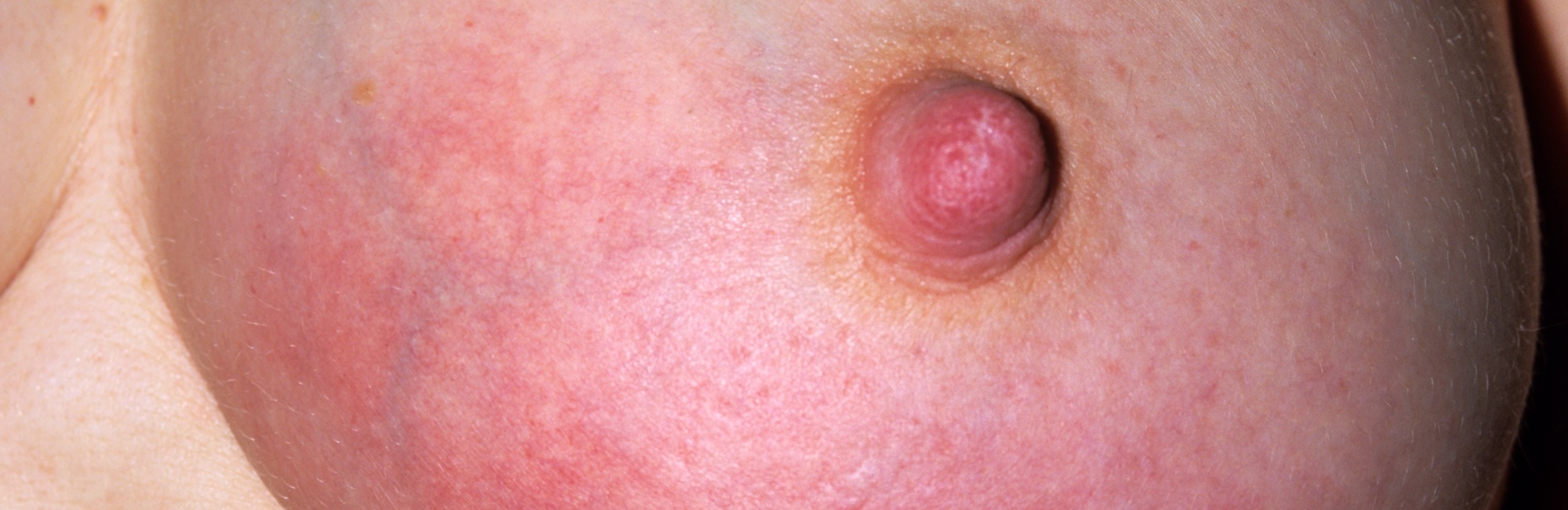
Breasts that make milk are lumpy. These lumps disappear after breastfeeds. If you have an inflamed breast lump, here are the six things to do.
-
Keep your milk flowing. This is by far the most important thing you can do. This means
-
If you're predominantly breastfeeding, offer the affected side for a breastfeed as often as possible - without ever pressuring your baby.
-
This means preferencing the affected breast for a time - making sure your other breast never gets too full, as we don't want it to develop a mastitis too! Letdown or milk ejection results in dilation of the milk ducts. Dilation of the milk ducts relieves inflammation.
-
Frequent short breastfeeds are more effective than long less frequent breastfeeds for resolving a breast inflammation. This is because milk ejections occur more often with frequent short feeds than longer, less frequent feeds (but you usually can't feel letdowns, which is normal).
-
If your baby is going for more than a few hours without breastfeeding, wake your baby! If baby doesn't want to breastfeed, you might even consider gentle hand expression or pumping of milk from the inflamed breast. But avoid irritating the inflamed part of your breast in any way. You can see a video about how to hand express here.
-
-
If you're predominantly pumping, continue to pumping at the same frequency or you might add brief extra pumps on the affected side, to stimulate letdowns, as long as you don't already have a supply that's much higher than your baby needs.
-
-
Remove any underlying mechanical cause, such as external pressure being applied to your breast (e.g. bra pressure, silverette, wearable pump, nipple or breast tissue drag during breastfeeding) or going too long between milk removals.
-
It’s best to use anti-inflammatories (usually ibuprofen two 200 mg tablets in one dose) or paracetamol just when you need them for comfort, up to six in a 24 hour period.
-
Anti-inflammatory medications effectively relieve muscle aches and breast pain, so you might take them at bedtime to help with sleep;
-
Also take them during the day if a fever is making you feel very unwell.
However, anti-inflammatories or paracetamol don’t treat the inflammation of a mastitis, or make mastitis resolve more quickly, so you don’t have to take them. Fever is a sign that your body is revving up your immune system to help heal or treat the inflammation. There are research-based reasons to think that too much anti-inflammatory medication could even weaken your body’s inflammation-fighting powers.
-
-
Do your best to rest. This will mean bringing in whatever support you have available.
-
It might be a few days before the fevers settle, the lump is getting smaller, and you begin to feel better. Please see your doctor if
-
A few days have passed and you are feeling worse
-
A few days have passed and the lump is continuing to enlarge or worsen
-
You are worried about how sick you are feeling at any time.
-
-
If you have a breast lump, whether painful or non-painful, which persists for a week, please see your doctor. Your doctor will discuss having ultrasound imaging to make sure there's no abscess. Also, breast cancer in a milk-making breast can spread fast. It’s vital to make sure any persistent lump is harmless (which it mostly is, just not always).
Things that don't help your breast to heal (despite what you might hear)
Ice application doesn't help your breast heal
You can use a cold compress if you want to, but it doesn't help heal breast inflammation and is often more bother than it's worth. Cold causes milk ducts to narrow, at a time when you want your milk to flow as much as possible, so you wouldn't use it before offering the breast.
If you decide to use an cold pack, make sure you don't apply any pressure over the area of inflammation, and that cold isn't directly applied to the skin and breast so that it causes damage from freezing. Many women decide it's easier and more effective just to see if baby wants to suckle again for a short time - letdowns (even when you can't feel them) do help heal, unlike the ice!
Lymphatic or therapeutic massage doesn't help your breast heal
Never try to massage or rub away a breast lump. Deeper massage bruises the sensitive, highly vascular tissues of a milk-making breast and worsens the lump. Light massaging up towards the armpit doesn't help drain away fluid, and might even make inflammation worse.
The advice to avoid overstimulation of your breasts doesn't help your breast heal
You can find out why the advice to avoid overstimulating your breasts when you have mastitis is unhelpful and might make things worse here.
You might have heard that you have to treat with antibiotics early to prevent abscess, but this is not true
You can find out about abscess, and it's link with mastitis here. It's not true that you are more likely to develop an abscess if you delay treatment, but you do need to see your doctor if you find your symptoms are worsening rather than improving as the days pass.
Researchers have found that the rate of abscess development is the same in countries which use antibiotics aggressively compared with countries who delay antibiotic treatment for many days (but if your symptoms and signs are rapidly getting worse see your doctor anyway).
Please see your own doctor for assessment if you have any concerns about your health, your breasts, or an emerging breast inflammation. The advice in Possums Breastfeeding & Lactation does not substitute for professional help.
Recommended resources
PBL Foundations
How do you know if you have mastitis and how common is it?
Why your letdowns help prevent or heal breast inflammation
When might you need antibiotics for mastitis?
How Jessie recovered from mastitis
Why lymphatic drainage and therapeutic massage don't help with breast inflammation
Ellie, who is breastfeeding four-week-old Harry, develops breast inflammation. Part 1
PBL Intermediate
Five ways to help prevent breast inflammation when you're lactating
A closer look at breast inflammation, fever, and use of anti-inflammatory medications
Probiotics (including Qiara) don't help prevent or treat breast inflammation
PBL Advanced
Why advice to NOT change patterns of breastfeeding when a woman has mastitis risks worsened outcomes